


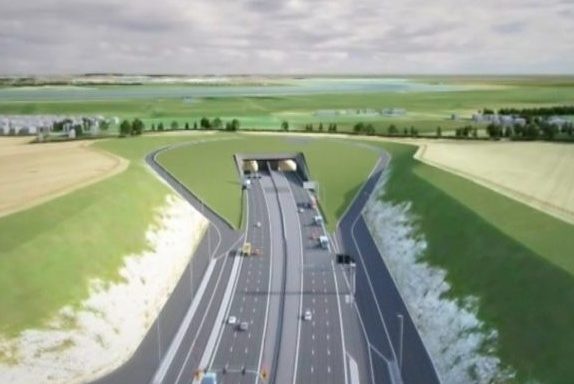
Ministers say publishing details during negotiations could weaken the taxpayer’s position, as MPs question the risks of cost overruns and lower toll income.
The government has declined to disclose the extent of its potential financial exposure to the Lower Thames Crossing, despite calls from Conservative MPs for greater clarity before Parliament considers the project’s financing arrangements.
MPs raised questions about the risk to taxpayers during a public bill committee sitting on 17 November examining the Highways (Financing) Bill. They asked what would happen if construction costs increased or toll revenues fell below forecasts, and sought details of any government guarantees or indemnities.
Financial details withheld
Conservative MP Shivani Raja questioned why the financial information had not been published.
“Parliament cannot be expected to wave through a major new road licensing system when the basic financial numbers have not even been published,” she said.
Transport minister Justin Madders said releasing detailed information while negotiations with private investors were under way could undermine the government’s negotiating position.
“Publishing it now in a very specific way could damage our ability to get the best deal for the government when we enter into the final transaction,” Madders told the committee.
The government is seeking private finance for the crossing. The Department for Transport said in June that it had committed £3.1bn in public funding. Under the proposed model, private investors would recover their costs and receive a return from toll revenues.
MPs questioned whether taxpayers could ultimately be required to cover a shortfall if the crossing generated less income than expected. Madders said financial assistance could be provided in extraordinary circumstances, subject to Treasury approval, and would be reported to Parliament.
He also clarified that the proposed special administration regime was not intended to cover the road’s day-to-day operations.
Construction carbon requirements
The committee also considered proposals relating to lower-carbon construction machinery. Conservative MPs Greg Smith and Alison Griffiths proposed that any ban on diesel plant, or preference for electric, hydrogen or hydrotreated vegetable oil alternatives, should be supported by a compelling value-for-money and efficiency case.
Madders opposed the proposal, saying the three delivery partners for the crossing had met or exceeded the tender’s carbon-reduction requirements without increasing overall construction costs.
“The tenderers that submitted the lowest-cost bids also had the lowest carbon from construction,” he said.